Red Robin Tomato
The micro dwarf tomato NASA sent to the International Space Station, where astronaut Frank Rubio's tomato drifted away and stayed lost for eight months: a tiny, forgiving plant perfect for any sunny windowsill.
Flavor & performance
The honest verdict
What's great
- Flown to the International Space Station by NASA
- Genuinely tiny plant, only 8 to 12 inches tall
- Surprisingly good, sweet flavor for its size
- Fast to fruit, around 55 days
- No staking or pruning needed
Watch out for
- Very small pot dries out in a single hot day
- Needs hand pollination when grown indoors
- Fruit is tiny and does not store long
- No bred-in disease resistance
- Winter windowsill growing needs a grow light
Grow it in your zone
| Trait | Red Robin Tomato | Tiny Tim | Micro Tom |
|---|---|---|---|
| Height | 8–12 in | 12–18 in | 6–8 in |
| Days | 55 | 60–65 | 60–70 |
| Fruit size | ~1 in | ~1 in | Under 1 in |
| Flavor | Sweet, good | Sweet, good | Mild, novelty |
| Save seeds | Yes | Yes | Yes |
| Best known for | NASA space flight | Classic dwarf | Smallest tomato plant |
| Best use | Windowsill, pots | Windowsill, pots | Novelty, education |
The tomato that got lost on the International Space Station
In 2023, an astronaut lost a tomato in space, and the story made headlines around the world. That tomato was a Red Robin, a tiny variety most home gardeners had never even heard of before.
Frank Rubio grew it aboard the International Space Station as part of a NASA experiment. After harvest, his sample floated away in a plastic bag before he could take a single bite.
It stayed missing for eight months, drifting somewhere in the station, before another crew member finally found it. By then it had dried to almost nothing in the station’s dry air, a small, shriveled relic of the experiment.
That strange little story is a fun way into a genuinely excellent variety for gardeners back on Earth. This guide covers why NASA chose it, what it is, and how to grow it in your own home. No space station required.
What the Red Robin tomato actually is
This is a true micro dwarf tomato, one of the smallest tomato plants that still produces real, edible fruit. The whole plant tops out around 8 to 12 inches tall.
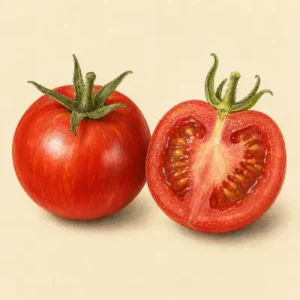
Despite its size, it is genuinely productive. A single plant can set dozens of small, round, bright red cherry tomatoes, each about an inch across.
It is open pollinated rather than a hybrid, which is unusual for a dwarf variety bred this precisely. That means you can save your own seed year after year.
Expect the first ripe fruit in around 55 days from transplant, which is fast even by cherry tomato standards. The flavor is sweet with real tomato character, not the watered down taste some tiny varieties fall into.
It is a determinate plant, so it stays compact on its own and needs no staking or pruning. That combination of small size and real productivity is exactly why it caught NASA’s attention.
Why NASA picked this exact tomato for space
Growing food in space comes with a brutal constraint. Every inch of growing space and every gram of equipment has to earn its place on the rocket.
NASA’s Veggie program set out to find a tomato that could handle that pressure. Researchers tested several dwarf varieties, evaluating plant height against how much fruit each one produced.
Red Robin tied for the top ranking among the varieties tested. It hit the sweet spot NASA needed, a genuinely tiny plant that still delivered a real harvest of edible fruit.
That led to the VEG-05 experiment on the space station. The mission was built to test growing, harvesting, and eating a crop in microgravity. Red Robin was the tomato chosen to fly.
The same size and productivity make it a fantastic choice back on Earth, just for a different reason. If it can thrive in the tightest growing space NASA could imagine, it will do very well on your windowsill.
That is really the whole story behind why gardeners have taken to it since. What worked for a space station with zero spare room works just as well for an apartment with one sunny sill and no yard.
What actually happened up there
The full story is worth knowing, since it says a lot about growing food far from home. Astronauts grew a batch of Red Robin plants on the station under grow lights.
After the March 2023 harvest, each crew member received a share of tomatoes to taste as part of the study. Frank Rubio’s portion was sealed in a small bag. It drifted away before he could eat it.
The station’s air is extremely dry, and over the following months the lost tomato slowly dehydrated. It was eventually found tucked away elsewhere on the station in December that year, shrunken but recognizable.
The wider VEG-05 study looked at more than just one lost fruit. It measured how light and feeding affected the crop. It also checked whether the food was microbially safe and what the crew thought of the taste.
That research feeds into NASA’s longer term goal of growing crops during missions to the Moon and eventually Mars. A tiny, reliable, tasty tomato is a real building block for that future.
What it tastes like
Set the space story aside and this variety earns its place on flavor alone. It is genuinely sweet, with real tomato character packed into a fruit barely bigger than a marble.
That is a pleasant surprise for a micro dwarf. Many extremely small tomato plants trade flavor for compact size, but Red Robin manages to keep both.
It works well eaten straight off the plant as a snack, or scattered whole into a salad. The fruit is small enough that it rarely needs slicing at all. Kids in particular love picking these off the vine one by one.
Grow it on a bright windowsill through the darker months and it keeps working. It gives you a small, steady trickle of fresh tomatoes long after your outdoor plants have finished.
Growing it indoors year round
Because the plant is so small, Red Robin is one of the few tomatoes that genuinely works as an indoor houseplant. A pot on a bright kitchen sill can crop through winter as well as summer.
The catch is light. Winter sun through glass is weaker and shorter than a summer garden. A plant relying only on a windowsill often grows leggy and sets little fruit in the darkest months.
A small grow light fixes that gap easily. Position it just a few inches above the plant and run it for 12 to 16 hours a day. The plant then behaves almost as if it were outdoors in summer.
Indoors, there is no breeze or bees to move pollen between flowers. Give each flower cluster a gentle shake every day or two while they are open. A soft paintbrush brushed across the blooms works just as well.
Grower's Picks for Red Robin
The gear that matters most for growing Red Robin well, so you can buy the right thing once.
How to grow the Red Robin tomato, start to finish
Starting seeds
Start seeds indoors 6 to 8 weeks before your last frost, or at any time of year if you are growing indoors under lights. Sow a quarter inch deep in fresh seed starting mix, kept warm around 70 to 80°F.
Give strong light from the moment they sprout, since a dwarf plant is especially prone to stretching without it. A small grow light a few inches above the seedlings works well.
The right pot
This is the step that matters most for a plant this small. A pot around 6 to 8 inches across is plenty, and one plant per pot is the way to go.
Use a quality potting mix rather than garden soil, which drains poorly and packs down hard in a small container. Good drainage matters even more in a pot this size.
Light and placement
Give it the brightest spot you have, ideally a south facing windowsill with at least 6 hours of direct sun. Indoors, a small grow light kept close to the plant makes a real difference to fruiting.
Outdoors, a sunny porch rail or patio table works just as well. Its tiny size means it fits almost anywhere that gets good light.
Watering and feeding
A small pot dries out fast, so check the soil daily and water whenever the top inch feels dry. Our guide to watering tomatoes covers the general rhythm.
Feed every one to two weeks with a dilute liquid tomato feed once flowers appear. A small pot holds very little reserve nutrition, so regular light feeding keeps the plant productive. Skip feeding for too long and growth stalls fast in such a small volume of soil.
Support and pruning
Here is the easy part. This determinate dwarf needs no staking, caging, or pruning at all.
Just let it grow as it wants and leave the stems alone. Removing growth on a plant this small only costs you fruit. Its whole appeal is how little it asks of you in return for a genuinely real harvest of tomatoes.
Problems to watch
Leggy seedlings. Without strong light, young plants stretch thin and weak. Move seedlings under bright light or onto a sunny sill as soon as they sprout.
Drying out. A small pot has very little soil, so it can dry out in a single hot day. Check it daily and consider a saucer to catch and hold a little runoff.
Blossom end rot. A dark, sunken patch on the fruit bottom, driven by uneven watering in a small pot. Keep moisture steady, and see our tomato problem guide.
Poor fruit set indoors. Without wind or pollinators, indoor flowers may not set fruit on their own. Gently shake the plant or brush the flowers with a small paintbrush to move pollen around.
Harvest and how many you can expect
Pick the little fruits once they turn fully red and come away with a gentle tug. Each tomato is so small that a single plant can carry dozens of ripe fruit at once across its short branches.
Pick often rather than waiting for a big harvest. Regular picking encourages the plant to keep flowering and setting new fruit through its whole cropping window.
A well fed, well lit plant can easily produce fifty or more small tomatoes over a season from one tiny pot. That is a remarkable yield for a plant small enough to hide behind a coffee mug.
The fruit is small and thin skinned, so eat or use it soon after picking rather than storing it for long. A quick rinse and it is ready straight off the vine.
Saving seeds
This is one of the easier tomatoes to save seed from. Red Robin is open pollinated, so saved seed grows true to type, dwarf size and all.
Scoop the seeds and gel from a ripe fruit into a small container with a little water. Ferment for 2 to 3 days, rinse, and dry them on a plate before storing.
Given its unlikely trip to the space station, saving your own seed feels fitting. It is a small way to keep this particular tomato, and its story, going in your own garden year after year.
Red Robin vs Tiny Tim vs Micro Tom
Against Tiny Tim, the two are close cousins in size and habit. Tiny Tim is a touch taller. Red Robin tends to stay slightly more compact and earns extra credit for its space flight history.
Against Micro Tom, often called the smallest tomato plant in the world, Red Robin is noticeably larger and more flavorful. Micro Tom wins on sheer novelty, while Red Robin wins on taste and yield.
My honest take is simple. For a windowsill tomato you will actually enjoy eating, Red Robin is the pick, with the fun bonus of a genuine space flight story behind every seed. Our guide to growing tomatoes in pots covers the container basics all three share.
The verdict
The Red Robin tomato earns its fame honestly. NASA picked it for hard scientific reasons. Those same traits make it one of the best small container tomatoes any home gardener can grow.
It is compact, fast, forgiving, and genuinely tasty, a rare combination in a plant this tiny. A single pot on a bright sill can keep you in fresh cherry tomatoes for weeks on end.
Grow it on a windowsill, a balcony rail, or tucked into a gap in a bigger bed. Give it your brightest light, water it often, and feed it lightly. It rewards you with a steady trickle of sweet little tomatoes.
Maybe you want a first tomato, or a solution for a tiny space. Maybe you just want a fun conversation starter with a genuine space story behind it. Either way, this little plant is hard to beat.