Tumbling Tom Tomato
A trailing cherry tomato bred for hanging baskets: dead easy and no staking, but the tiny basket that makes it foolproof is also what starves so many of them.
Flavor & performance
The honest verdict
What's great
- Bred to trail, so no staking and no pruning
- Perfect size for hanging baskets and small balconies
- Heavy, good-looking early crop of sweet cherries
- Beginner-friendly and genuinely low fuss
- Red and yellow versions for two flavors
Watch out for
- A small basket dries out and starves fast
- Needs daily, sometimes twice-daily, watering
- F1 hybrid, so saved seed will not come true
- Determinate, so the crop comes in one flush
- Good flavor, but not gourmet like Sungold
Grow it in your zone
| Trait | Tumbling Tom Tomato | Tiny Tim | Patio |
|---|---|---|---|
| Habit | Determinate, trailing | Dwarf, upright | Compact, upright |
| Best home | Hanging basket | Windowsill/small pot | Patio pot |
| Fruit | Small cherry | Small cherry | Medium slicer |
| Fruit size | ~1 oz | ~1 oz | 3–4 oz |
| Days | 70–80 | 60–65 | 70 |
| Staking | None | None | Light stake |
| Save seeds | No, hybrid | Yes | No, hybrid |
The easiest tomato to grow, and the easiest to starve
The Tumbling Tom tomato is sold as the foolproof one. Drop it in a hanging basket, skip the stakes, and pick cherry tomatoes off your balcony all summer.
That is mostly true. It is also how so many of these plants quietly fail.
The catch is the basket itself. A hanging basket is a small, fast draining pot. It dries out and runs out of food faster than almost any spot in the garden.
So the trait that makes this tomato beginner friendly is the same trait that trips beginners up. This guide covers how to get it right. It also gives the honest story on flavor, the red and yellow versions, and everything else you need.
What the Tumbling Tom tomato actually is
This is a trailing cherry tomato bred specifically for containers and hanging baskets. Instead of climbing, its stems cascade over the sides of a pot, often spilling 20 to 24 inches.
It is a determinate variety, which means it stays compact and crops in a concentrated flush. That built in size limit is exactly why it fits a basket so well.
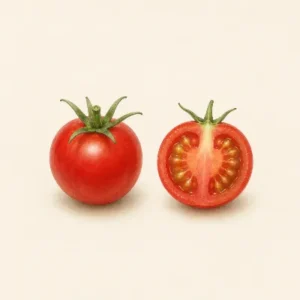
Fruit is small and round, roughly an ounce each, in the classic sweet cherry tomato style. A healthy plant carries a heavy early crop that looks as good as it tastes.
It comes in two versions, red and yellow, and they are not quite the same plant. The next section explains why that matters when you buy.
Where it comes from
Honestly, the exact origin of this variety is not well documented. It is a modern F1 hybrid, bred for the hanging basket trade rather than passed down as an heirloom.
That is worth knowing for one practical reason. Because it is a hybrid, you buy fresh seed or plants each year. Saving your own will not work, a point we come back to below.
The name is a brand as much as a variety. You may see it sold as Tumbler, Tumbling Tom Red, or Tumbling Tom Yellow. All are the same basic trailing basket type, just under slightly different labels.
Red or yellow, a real difference worth knowing
Most people grab whichever Tumbling Tom they see first. There is actually a meaningful difference between the two.
The yellow version tends to be sweeter, a little larger, and slightly faster to ripen. The red version leans a touch more acidic and often carries smaller fruit.
Neither is wrong, and both are good. Want the sweeter, milder cherry? Reach for the yellow.
Like a brighter, tangier bite? Then go red.
The yellow also tends to shrug off a missed watering a little better in many gardens. Neither is fussy, but if you are new to baskets, the yellow is a very forgiving place to start.
Growing one of each is the smart move for a basket. You get two colors and two flavors from the same easy plant.
Why so many baskets fail, and how to fix it
Search any garden forum and you will find the same complaint. My Tumbling Tom is doing nothing, or the flowers keep dropping off.
The plant is almost never the problem. The basket is.
A hanging basket holds very little soil and dries out fast in wind and sun. Its nutrients also wash out quickly with all that watering. University of Maryland Extension notes that container plants need far more frequent watering and feeding than plants in the ground.
Starve or dry out a plant like this and it stalls, drops its flowers, and sulks. Fix the water and food and the same plant takes off.
Feeding is the half of the equation people forget. Water alone keeps a plant alive. But without regular food, a basket plant cannot build a heavy crop of fruit.
Experienced growers landed on the same fixes years ago. Use one plant per basket, pick a big enough basket, water often, and feed weekly. Do those four things and the failures mostly disappear.
How to grow the Tumbling Tom tomato, start to finish
Seeds or plants
You can start seeds indoors 6 to 8 weeks before your last frost. Sow a quarter inch deep in warm, moist seed starting mix. Many gardeners simply buy a young plant in spring, which is easy and cheap for a basket or two.
Give seedlings strong light so they stay stocky rather than leggy.
The right basket
This is the step that decides everything. Use a generous basket or pot, ideally 14 inches across or larger, and only one plant in it.
Cramming three plants into one small basket is the classic mistake. They fight for the tiny bit of soil and all of them suffer.
A bigger basket is not merely tidier. It holds more soil, more water, and more food, which is the whole game with a plant this thirsty.
Soil and feeding
Fill the basket with a quality potting mix, not garden soil, which packs down and drains poorly in a container. Mix in a little slow release fertilizer at planting.
Then feed weekly with a dilute liquid tomato feed once fruit starts to set. In a basket, regular feeding is not optional, because the small soil volume runs out of nutrients fast.
Watering
Water is where this tomato lives or dies. Check the basket daily, and in summer heat expect to water it twice a day.
Steady moisture keeps fruit from splitting and wards off blossom end rot. Our guide to watering tomatoes covers the rhythm in more detail.
A self watering basket, or one with a built in reservoir, takes a lot of the pressure off. So does a saucer under a pot, which catches runoff and buys you time between waterings.
Light and placement
Give the basket full sun, at least 6 hours a day. Oregon State University Extension notes that more sunlight means more sugar in the fruit. So a bright spot pays off in flavor.
Just remember that a sunnier, windier spot also dries the basket faster, so watch the water.
Support and pruning
Here is the easy part. This plant needs no staking and no pruning at all.
It is bred to trail, so you simply let it tumble over the basket edge. Leave the stems alone and let the plant do its thing.
Grower's Picks for Tumbling Tom
The gear that matters most for growing Tumbling Tom well, so you can buy the right thing once.
It is determinate, so do not prune it
People used to growing tall tomatoes reach for the pruners out of habit. With this variety, that is a mistake.
It is a determinate plant, and its fruit sits on the very growth you would be tempted to cut. Iowa State University Extension is clear on this. Removing suckers on determinate tomatoes does not raise yield, and topping the plant actually lowers it.
So leave it alone. Every trailing stem is carrying fruit you want.
That hands off habit is a big part of the appeal. For a beginner or a busy gardener, a plant that asks for no training is a genuine gift.
Problems to watch
A plant that does nothing. Almost always too little water or food in a small basket. Move up a basket size, water more often, and start weekly feeding.
Flowers dropping off. Usually stress from a dried out basket or a heat spell. Steady water and feed settle most plants back into fruiting.
Blossom end rot. A dark, sunken patch on the fruit bottom, driven by dry swings in the pot. Keep moisture even, and see our tomato problem guide.
Split fruit. Cherry tomatoes split when a bone dry basket suddenly gets soaked. The fix is the same, water little and often rather than in big swings.
Harvest and flavor
Pick fruit as it colors up fully, and pick often. Regular harvesting keeps a determinate plant setting and ripening more fruit through its window.
The flavor is genuinely good, sweet and fresh, especially the yellow. Be honest with yourself, though. It will not out taste a top cherry like Sungold in a side by side test.
What it offers instead is ease and looks. A basket dripping with bright cherry tomatoes by the back door is a joy. The fruit is more than good enough for snacking and salads.
Because it is determinate, the heaviest crop comes in a few weeks rather than trickling all season. Enjoy the flush while it lasts. Start a second plant a few weeks later if you want a longer run.
Saving seeds
This is one variety where seed saving does not work. Tumbling Tom is an F1 hybrid, so seed saved from its fruit will not grow true to type.
Seedlings from saved seed revert toward the parent lines and give unpredictable results. Buy fresh plants or seed each spring instead.
If saving seed matters to you, grow an open pollinated cherry in a basket instead. Keep Tumbling Tom for its tidy, trailing habit.
How long until you get tomatoes
From a young plant set out after the last frost, expect ripe fruit in roughly 70 to 80 days. Buy a plant in late spring and you are often picking by midsummer. Starting from seed adds another six to eight weeks at the front.
The plant flowers quickly once it settles into a warm basket. Small green fruit follows within a couple of weeks of the first blooms. Those cherries then take a while to swell and color up, so patience pays off in the ripening stage.
One honest expectation to set is timing. Because it is determinate, most of the crop lands in a tight window rather than dribbling out all season. Plan a second plant a few weeks behind the first if you want fresh baskets of fruit into late summer.
Best spots, and a note on balconies
This is a plant made for small spaces. A porch rail, a balcony, a doorstep, or a sunny fence bracket all work well. The trailing habit hangs the fruit at eye level. That makes picking easy and keeps it off the ground away from slugs.
Wind is the one thing to watch on an exposed balcony. A basket up high in a breeze dries out even faster than one on the ground. On a windy corner, check the water twice as often, or move the basket to a more sheltered wall.
You can also grow it in a tall pot or a raised planter and let it spill over the edge. The rules stay the same. Big enough container, steady water, weekly feed, and full sun.
Tumbling Tom vs Tiny Tim vs Patio
Against Tiny Tim, the two suit different spots. Tiny Tim is a tiny upright dwarf for a windowsill or small pot. Tumbling Tom trails and is built for a hanging basket.
Against Patio, this variety is smaller and more ornamental. Patio gives you larger fruit on a compact upright plant. It is the better choice if you want slicing tomatoes from a pot.
My honest take is simple. For a hanging basket by a sunny door, Tumbling Tom is the natural pick, as long as you keep the water coming.
Our guide to growing tomatoes in pots covers the container basics all three share.
The verdict
The Tumbling Tom tomato earns its popularity honestly. It is a genuinely easy, good looking, productive basket tomato that anyone can grow.
Just respect the one thing it truly needs. A basket is a demanding little home. Give it a big enough pot, water it often, and feed it weekly.
Do that and it rewards you with a cascade of sweet cherry tomatoes, no stakes and no pruning required. For a balcony, a doorstep, or a first ever tomato, it is genuinely hard to beat.
Set your expectations at easy and pretty rather than gourmet, and this little plant will not let you down.